


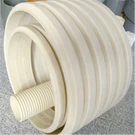
Yo, folks! As a supplier of HDPE pipes, I get asked a ton about whether these pipes are actually safe for the environment. Well, let's dig into this topic and find out real quick.
First off, what's HDPE? HDPE stands for High - Density Polyethylene. It's a type of plastic that's been around for a while, and it's used in all sorts of industries. In my biz, we use it to make pipes for different applications like HDPE Pipe for Drainage, High Quality HDPE Pipeline Irrigation System For Garden Irrigation, and HDPE Pipe for Electric Cable and Wire Protection.
Now, let's talk about why HDPE pipes might be a good choice for the environment. One of the biggest advantages of HDPE is its durability. These pipes can last for a really long time, sometimes up to 50 years or more. That means fewer replacements, which in turn reduces waste. Think about it: if you have to replace a pipe every few years, that's a lot of old pipes ending up in landfills. But with HDPE, you're looking at a long - term solution.
Another great thing about HDPE pipes is that they're lightweight. When compared to other materials like concrete or metal, HDPE pipes are much easier to transport. Less weight means that you can fit more pipes in a single truckload, which reduces the number of trips required for transportation. Fewer trips translate to less fuel consumption and lower greenhouse gas emissions. In the grand scheme of things, that's a win for the environment.
HDPE pipes are also resistant to corrosion. This is a huge deal because corrosion can lead to leaks and contamination. For example, in a water supply system, if the pipes start corroding, they can release harmful substances into the water. But since HDPE is corrosion - resistant, it helps keep our water clean and safe. This is especially important for public health and the environment, as clean water is essential for all living things.
Moreover, HDPE is recyclable. At the end of their useful life, HDPE pipes can be recycled into new products. Recycling reduces the demand for virgin materials, which in turn helps save natural resources. The process of making HDPE from recycled materials also uses less energy compared to making it from scratch. So, it's a double - win for the environment—you're saving resources and reducing energy consumption.
But, like everything, HDPE pipes aren't without their drawbacks in terms of the environment. Although HDPE is recyclable, the reality is that not all of it actually gets recycled. There are challenges in the recycling process, such as sorting different types of plastics and dealing with any contaminants on the pipes. In some areas, the recycling infrastructure might not be well - developed, which means that a lot of HDPE pipes end up in landfills.
Another concern is the fact that HDPE is made from petroleum. Petroleum is a non - renewable resource, and its extraction and processing can have a significant environmental impact. The production of HDPE involves energy - intensive processes like polymerization, which releases greenhouse gases. However, it's important to note that in many cases, the overall environmental impact of HDPE pipes over their lifespan is still lower compared to other materials due to their durability and recyclability.
When it comes to the safety of HDPE pipes in the environment, we also have to consider the chemicals they might leach. HDPE is generally considered to be a chemically stable material, and it doesn't leach harmful substances into the surrounding soil or water under normal conditions. However, if the pipes are exposed to extremely high temperatures or certain chemicals, there's a possibility that some additives in the HDPE could be released. But this is a rare scenario, and proper installation and use can minimize these risks.
In the agricultural sector, High Quality HDPE Pipeline Irrigation System For Garden Irrigation has a positive impact on the environment. These systems are very efficient at delivering water to plants. They can reduce water wastage through precise watering, which is crucial in areas where water is scarce. By using water more efficiently, we're conserving this precious resource and reducing the strain on local water supplies.
For drainage purposes, HDPE Pipe for Drainage plays an important role in protecting the environment. These pipes can prevent waterlogging and flooding, which can damage soil and vegetation. Efficient drainage also helps in managing stormwater runoff, which can carry pollutants like sediment, fertilizers, and pesticides into rivers and lakes. By channeling the runoff properly, HDPE drainage pipes help keep our water bodies clean.
And in the case of HDPE Pipe for Electric Cable and Wire Protection, these pipes protect the cables from environmental damage. This reduces the need for frequent cable replacements, which not only saves resources but also minimizes the disruption to the environment during installation and maintenance.


So, are HDPE pipes safe for the environment? Overall, I'd say yes. They have a bunch of environmental benefits like durability, recyclability, and low environmental impact during use. But we can't ignore the challenges like the fact that they're made from petroleum and the issues with recycling. As an industry, we need to work on improving the recycling rates and finding ways to reduce the environmental impact of their production.
If you're in the market for high - quality HDPE pipes for your project, whether it's for drainage, irrigation, or cable protection, I'm here to help. Feel free to reach out and start a conversation about how we can meet your needs. Let's work together to make choices that are good for both your project and the environment.
References
- PlasticsEurope. (Year). The Plastics Industry - Facts and Figures.
- American Plastics Council. (Year). Environmental Benefits of HDPE Pipes.