


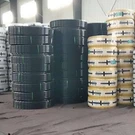
Tear strength is a crucial property when it comes to HDPE pipes. As an HDPE pipe supplier, I've seen firsthand how important it is for various applications. Let's dive into what tear strength is all about and why it matters for HDPE pipes.
What is Tear Strength?
Tear strength refers to a material's ability to resist the growth of a tear when a load is applied. In the context of HDPE pipes, it means how well the pipe can withstand forces that try to rip or tear it apart. Imagine a situation where an HDPE pipe is laid underground, and there's some ground movement or a sharp object comes into contact with it. The tear strength of the pipe will determine whether it can endure that stress without getting torn.
Materials have different levels of tear strength based on their molecular structure and composition. For HDPE (High - Density Polyethylene) pipes, the long - chain polymers play a key role in their tear - resistant capabilities. The strong intermolecular forces between these polymer chains give HDPE pipes the ability to resist tearing to a certain extent.
Factors Affecting the Tear Strength of HDPE Pipes
There are several factors that can influence the tear strength of HDPE pipes.
Molecular Weight
The molecular weight of the HDPE resin used in making the pipes is a significant factor. Generally, HDPE with a higher molecular weight has better tear strength. Higher - molecular - weight polymers have longer chains, which means more entanglement between the chains. This entanglement makes it harder for a tear to propagate through the material. For example, a pipe made from high - molecular - weight HDPE will be more likely to resist tears caused by sudden impacts compared to a pipe made from lower - molecular - weight HDPE.
Additives
Additives can also have an impact on tear strength. Some additives are used to enhance the overall performance of the HDPE pipes. For instance, antioxidants can prevent the degradation of the polymer chains over time, which indirectly helps in maintaining the tear strength. UV stabilizers are another type of additive. When HDPE pipes are exposed to sunlight, UV rays can break down the polymer chains, reducing the tear strength. UV stabilizers protect the pipes from this damage, ensuring that the tear strength remains relatively stable.
Manufacturing Process
The way the HDPE pipes are manufactured can affect their tear strength. Extrusion is the most common method for making HDPE pipes. The temperature, pressure, and speed during the extrusion process need to be carefully controlled. If the extrusion temperature is too high, it can cause the polymer chains to break, reducing the tear strength. On the other hand, if the pressure is not uniform, it can lead to uneven thickness in the pipe wall, creating weak spots where tears can start more easily.
Importance of Tear Strength in Different Applications
HDPE Pipe for Water Supply
In water supply systems, HDPE pipes are widely used. Tear strength is vital here because these pipes are often buried underground. They can be subjected to various external forces, such as the weight of the soil above them, ground vibrations from traffic, or even the movement of tree roots. A pipe with good tear strength can withstand these forces without getting torn, ensuring a continuous and leak - free water supply. If a pipe tears, it can lead to water leakage, which not only wastes water but can also cause damage to the surrounding area.


HDPE Pipe for Gas
For gas supply, tear strength is even more critical. Gas is highly flammable, and any tear in the pipe can lead to a gas leak, which is extremely dangerous. HDPE pipes used for gas transportation need to have high tear strength to prevent leaks and ensure the safety of the entire gas distribution system. These pipes are also exposed to different environmental conditions, and a strong tear - resistant pipe can better handle the stress caused by temperature changes, soil movement, and other factors.
HDPE Pipe for Mining
In the mining industry, HDPE pipes are used for various purposes, such as transporting water, slurries, and chemicals. The mining environment is harsh, with the presence of sharp rocks, heavy machinery, and high - pressure fluids. Pipes need to have excellent tear strength to endure the rough handling and the abrasive nature of the substances they carry. A tear in a mining pipe can lead to disruptions in the mining operations, as well as environmental pollution if the transported materials leak.
Measuring the Tear Strength of HDPE Pipes
There are specific test methods to measure the tear strength of HDPE pipes. One common method is the trouser tear test. In this test, a sample of the HDPE pipe is cut in the shape of a trouser, and a tear is initiated at the top of the sample. Then, the two legs of the “trouser” are pulled apart at a constant speed, and the force required to propagate the tear is measured.
Another test is the Elmendorf tear test. Here, a pendulum is used to tear a pre - cut sample of the HDPE pipe. The energy absorbed by the material during the tearing process is measured, which gives an indication of the tear strength. These test results are important for manufacturers to ensure that their pipes meet the required standards and to help customers make informed decisions when choosing HDPE pipes.
Choosing the Right HDPE Pipe Based on Tear Strength
As a supplier, I often get questions from customers about how to choose the right HDPE pipe based on tear strength. The first thing to consider is the application. If it's for a water supply system in a relatively stable underground environment, a pipe with average tear strength might be sufficient. However, for applications like gas supply or mining, where the pipes are exposed to more severe conditions, it's advisable to choose pipes with higher tear strength.
It's also important to look at the specifications provided by the manufacturer. Reputable manufacturers will provide detailed information about the tear strength of their pipes, including the test methods used and the results. Don't be afraid to ask for these details. You can also ask for samples and conduct your own tests if necessary.
Conclusion
Tear strength is a fundamental property of HDPE pipes that can make a big difference in their performance and durability. Whether it's for water supply, gas transportation, or mining, understanding tear strength and choosing the right pipes based on this property is crucial. As an HDPE pipe supplier, I'm always here to help you find the best - suited pipes for your specific needs. If you're interested in purchasing HDPE pipes and want to discuss how tear strength matters for your project, feel free to reach out. We can have a detailed conversation about your requirements and find the ideal solutions.
References
- ASTM D1004 - Standard Test Method for Tear Resistance of Plastic Film and Thin Sheeting by a Trouser Tear.
- ISO 6383 - Plastics - Film and sheeting - Determination of tear resistance - Part 1: Trouser tear method; Part 2: Elongated test piece (Elmendorf).