


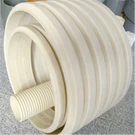


Can pipe fittings be used in a sewage system? That's a question I often get asked as a pipe fittings supplier. In this blog, I'll break down whether pipe fittings can be used in sewage systems, what types work best, and why it matters.
First off, let's talk about why pipe fittings are needed in a sewage system. Sewage systems are complex networks that need to transport wastewater from homes, businesses, and industries to treatment facilities. Pipe fittings play a crucial role in connecting different sections of pipes, changing the direction of flow, and ensuring a leak - free connection. Without proper fittings, the sewage system would be a mess, with leaks, blockages, and inefficient flow.
Now, can any pipe fitting be used in a sewage system? The short answer is no. Sewage systems have specific requirements, and the pipe fittings need to meet those criteria. For example, the fittings need to be resistant to corrosion because sewage contains various chemicals and substances that can eat away at the pipes over time. They also need to be able to handle the pressure and flow rate of the sewage.
There are several types of pipe fittings that are suitable for sewage systems. One of the popular ones is HDPE Electric Fusion Pipe Fittings. These fittings are made from High - Density Polyethylene (HDPE), which is known for its excellent corrosion resistance. HDPE is also very durable and can withstand the harsh conditions inside a sewage system. The electric fusion method used to connect these fittings creates a strong, leak - proof joint. You can learn more about HDPE Electric Fusion Pipe Fittings here.
Another option is PPR Pipe Fittings for Hot and Cold Water. Although they are commonly used in water supply systems, they can also be used in some sewage applications. PPR (Polypropylene Random Copolymer) is a lightweight and easy - to - install material. It has good chemical resistance and can handle a certain amount of pressure. These fittings are also cost - effective, which is a plus for large - scale sewage projects. Check out PPR Pipe Fittings for Hot and Cold Water for more details.
PERT Floor Heating Pipe Fittings might not be the first thing that comes to mind when thinking about sewage systems, but they can have their uses in some specific situations. PERT (Polyethylene of Raised Temperature resistance) is a flexible material that can be useful for areas where the pipes need to bend or curve. It also has good resistance to abrasion and chemicals. To find out more about PERT Floor Heating Pipe Fittings, click here.
When choosing pipe fittings for a sewage system, there are a few factors to consider. First, the material of the fitting is crucial. As mentioned earlier, corrosion resistance is a must. You also need to think about the size and shape of the fitting. It should match the pipes in the sewage system to ensure a proper connection. The installation method is another important aspect. Some fittings are easier to install than others, and this can affect the overall cost and time of the project.
In addition to the technical aspects, it's also important to comply with local building codes and regulations. Different areas may have specific requirements for sewage systems, and using the right pipe fittings is part of meeting those standards. Failure to comply can lead to fines and safety hazards.
Let's talk a bit about the installation process. Installing pipe fittings in a sewage system requires some skill and knowledge. It's not just about connecting the pieces together. You need to make sure that the fittings are properly aligned, and the joints are sealed correctly. For example, when using HDPE Electric Fusion Pipe Fittings, the electric fusion process needs to be done precisely to create a strong joint. If the installation is not done right, it can lead to leaks, which can cause environmental problems and damage to the surrounding area.
Maintenance is also an important part of using pipe fittings in a sewage system. Regular inspections can help detect any signs of wear and tear or damage early on. If a fitting is showing signs of corrosion or a weak joint, it should be replaced as soon as possible to prevent further problems. Simple maintenance tasks like cleaning the pipes and checking the fittings can go a long way in ensuring the longevity of the sewage system.


So, to sum it up, pipe fittings can definitely be used in a sewage system, but you need to choose the right ones. HDPE Electric Fusion Pipe Fittings, PPR Pipe Fittings for Hot and Cold Water, and PERT Floor Heating Pipe Fittings are all viable options, each with its own advantages. Whether you're working on a small - scale residential sewage system or a large - scale industrial project, the right pipe fittings can make a big difference.
If you're in the market for pipe fittings for your sewage system, I'd love to help. We have a wide range of high - quality pipe fittings that are suitable for various sewage applications. Contact us to discuss your specific needs, and let's work together to find the best solution for your project.
References:
- "Handbook of Plastic Pipe Engineering"
- "Sewage System Design and Installation Guidelines"